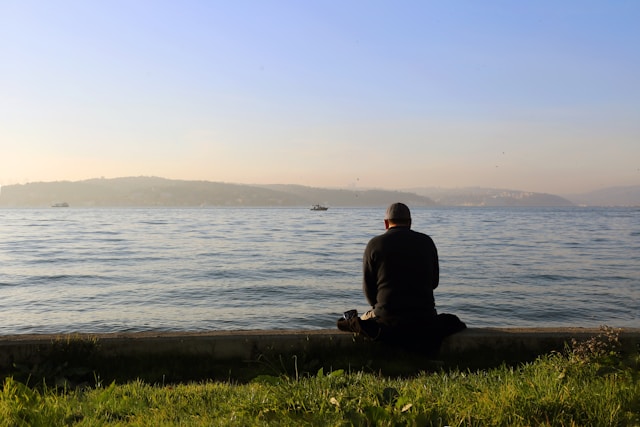
Some loneliness is a season. You move to a new city, you lose someone, you wait for the phone to ring again. Then life rearranges itself and the ache eases.
Other loneliness does not ease. It sits down with you in the morning and walks you to the kettle. It is there when you eat, when you turn the key in the lock at night, when you wake at 3 a.m. and remember that nobody in the world is wondering where you are.
Joining a small group will not fix that, and you have probably tried. Loneliness is also not a gift in disguise, and pretending otherwise is a small cruelty.
Chronic loneliness is a weight you learn to carry. Some ways of carrying it keep you alive and tender. Others slowly turn you to stone. The difference is made mostly of small habits, and here are a few that hold up.
Name it out loud. Loneliness grows worst in the dark of the chest, where it can pretend to be your fault. Tell one person, even once a month, "I have been lonely lately." A friend, a counsellor, a journal if nobody else. The shame around loneliness is usually heavier than the loneliness.
Keep one rhythm with another human being. One, not many. The coffee shop on Tuesday where the staff know your order. The neighbour you wave to. Big gatherings rarely touch chronic loneliness. Small repeated contact with people who recognise your face does.
Move your body into the world. Walk somewhere with people in it, even if you speak to no one. The market, the park, a bench by a busy street. Being among bodies tells your nervous system you are not the last person on earth. Your apartment will lie to you about that.
Make something for someone. A meal, a card, a reply to the email you have been avoiding. Loneliness curls you inward and small acts of giving uncurl you, not because they earn you company, but because they remind you that you still have hands that work and a heart that can aim outward.
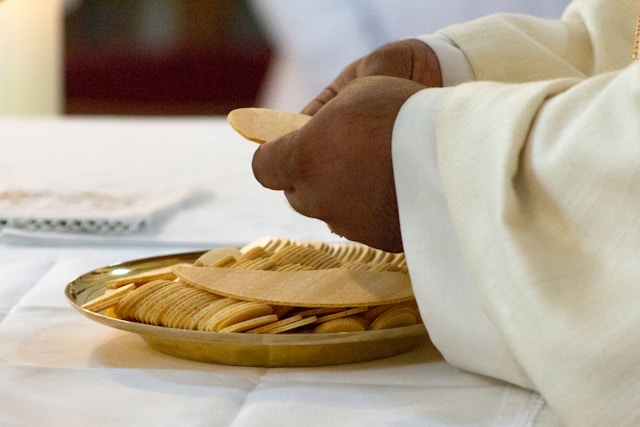
Let the church be imperfect company. If you are part of one, go even when it disappoints you. Sit at the back if you must. Take the bread. The church will not fill the hole. What you are doing is practising belonging in a body, and bodies are how God most often meets us.
Pray small and often. "Lord, I am here. Be with me." Solitude eventually becomes the place where being alone with God is enough, though almost nobody arrives there in one heroic leap. Most of us arrive by saying his name a hundred times across an ordinary week, until the room feels less empty than it did.
None of this ends the loneliness, and I would rather say so. The Sunday afternoons are still coming. The chair across the table stays empty. The ache is real and the ache may stay.
You can be lonely and not abandoned. You can be lonely and still tender.
Jesus knew this. In Gethsemane he told Peter and the two brothers, "My soul is overwhelmed with sorrow to the point of death. Stay here and keep watch with me" (Matthew 26:38). He came back and found them sleeping (Matthew 26:40). He asked for company, and the company he asked for could not stay awake. Hours later he cried out that God had forsaken him. He did not despise the long loneliness. He entered it, which means your loneliness is not a place outside his reach. He has already stood there.
The road is long. You are not walking it alone.